

Buongiorno,
If it’s Day 8 of my Unpacking Italy series, that means I’ve been home for just over a week. And oh, how I miss my Italian adventure.
Not every travel memory comes from grand landmarks or famous sights—some of the most lasting impressions are tucked into the quirks of daily life. Today, I’m sharing a few random stories, travel tips, and curious observations collected along the way. These are the moments that made me smile, pause, or simply think, “Well, that’s different.”
Tiny Elevators (and Getting Stuck!)
Picture this: four of us, a cozy post-dinner glow, and one elevator roughly the size of a broom closet. We’d just returned from an evening out and decided—sure, we can all squeeze in. We’ll cuddle close.
The door closed, the button was pressed, and the elevator... moved. Then stopped. Then went back down. Then nothing.
No lights. No buttons working. No way out.
Cue the mild panic.
Italian elevators are tiny—I mean tiny. I’m not sure how they move furniture, let alone four slightly overconfident tourists. A quick glance (once rescued) revealed the posted capacity: 3 people, maximum total weight 330 lbs. We were at least 200 lbs over that.
Thankfully, my daughter’s cell phone had a signal. She quickly texted our Travel Director while we knocked on the door for help. Eventually, hotel staff came to our rescue and we emerged—sweaty, sheepish, and laughing a little harder than we should have.
Traveler’s tip: Always check the capacity sign before you hop in a lift (as they call them) in Europe.
Also, I learned something important about myself: I am not the one you want on your emergency response team. My living in an earthquake zone days suddenly made a lot more sense...
Farmacia Culture
Need anything? In Italy, you don’t run to a big-box store—you head to the local Farmacia. Marked by a glowing green cross, these small yet mighty shops are community staples. They’re part pharmacy, part wellness haven, part neighborhood hub.
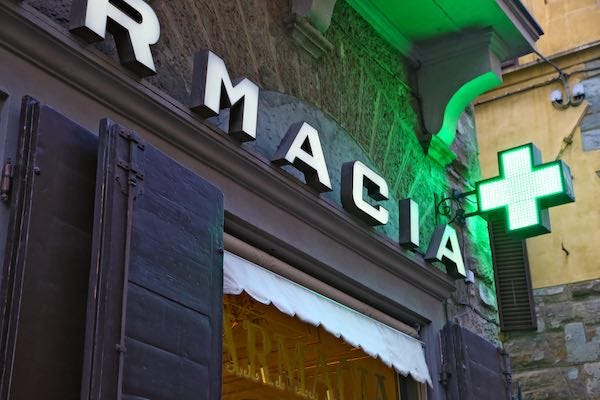
Inside, you’ll find kind staff, shelves of thoughtfully chosen skincare, remedies, and a noticeable leaning toward natural solutions. Which, I’ll admit, I found both charming and inspiring.
I walked in with a stubborn cough and walked out with a small box of medicine—featuring slug slime as an active ingredient. Yes, slug slime. It was combined with a blend of floral and herbal accompaniments, and believe it or not, it worked.
There’s a kind of quiet magic in how these places operate—blending science with nature, tradition with modern care. It's less transactional, more human. And I kind of loved that.
Traveler’s tip: the Google Translate app is a lifesaver. You can type in text or snap a photo of a label to translate instantly. That’s exactly what we did when we were curious about the ingredients in my mysterious little remedy.
Where Were All the Animals?
This isn’t a horse we saw in Italy. It’s Clifford—my granddaughter’s horse—whose photo somehow made its way into our Italy album. I stumbled on it by chance, and it made me smile. Especially after a conversation I had with my daughter last night, driving home from the barn. We spotted a herd of deer grazing peacefully in a farmer’s field—such a familiar sight here at home.
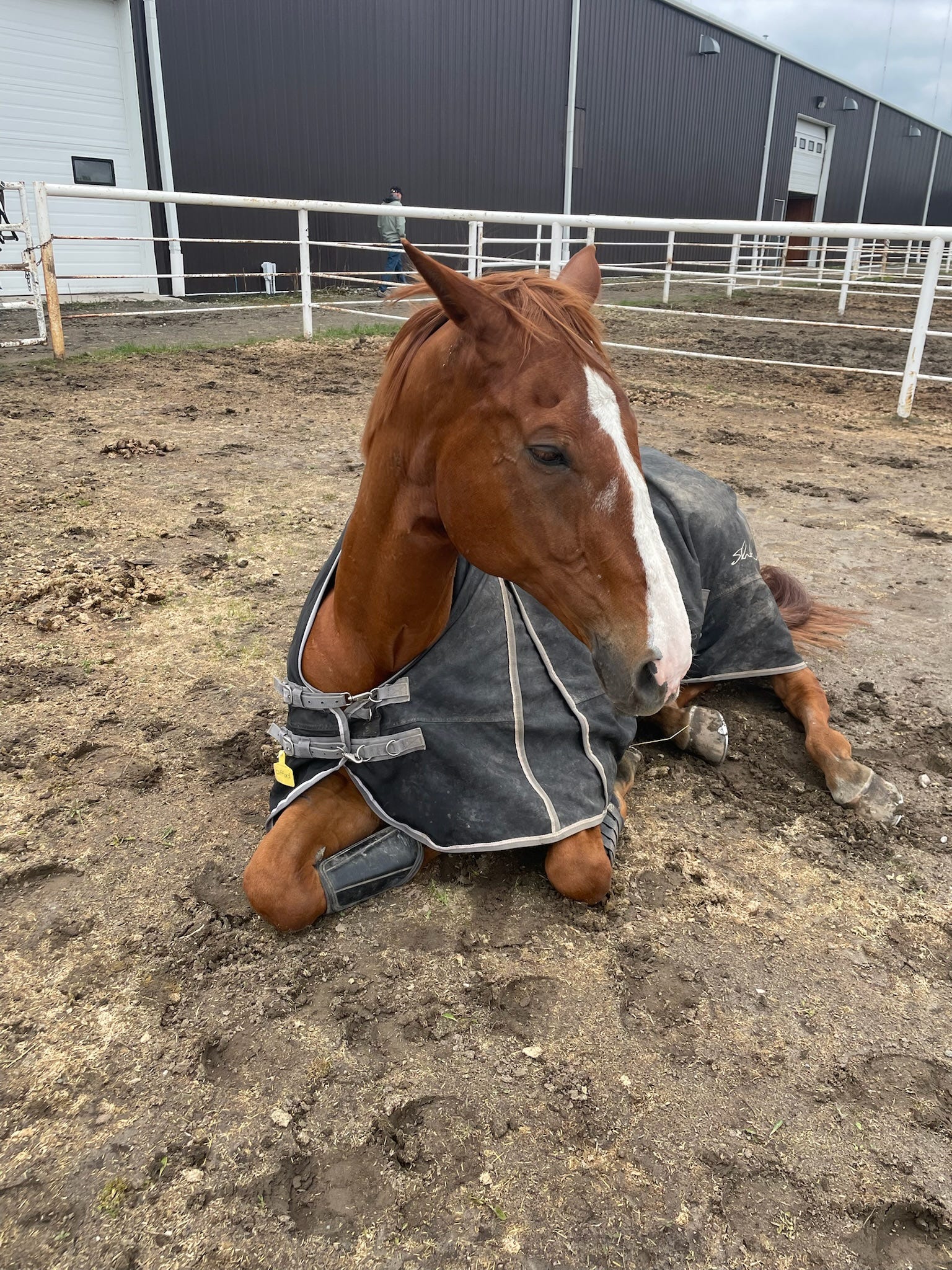
It reminded me just how little wildlife or livestock we saw in Italy. We traveled through rolling countryside, past olive groves and vineyards, and yet the fields seemed oddly empty. We were told that cows are no longer kept out in open pastures as much, due to concerns over the environmental impact of methane gases. Could that really be the reason? It’s something I’d like to look into further.
But for now, I’ll just say this: don’t expect to see cows lazily grazing in the hills of Tuscany or sheep dotting the fields. If you do spot livestock, it will likely be on a small farm, behind a fence or tucked into a barn.
As for wildlife—it was mostly missing in action. Except for the pigeons. Oh, the pigeons! Ever-present in piazzas and public spaces, ready to snatch a bite from an unattended plate. And once, inside a café, I spotted a tiny sparrow-looking bird helping itself to the flaky remains of a croissant left behind on a table.
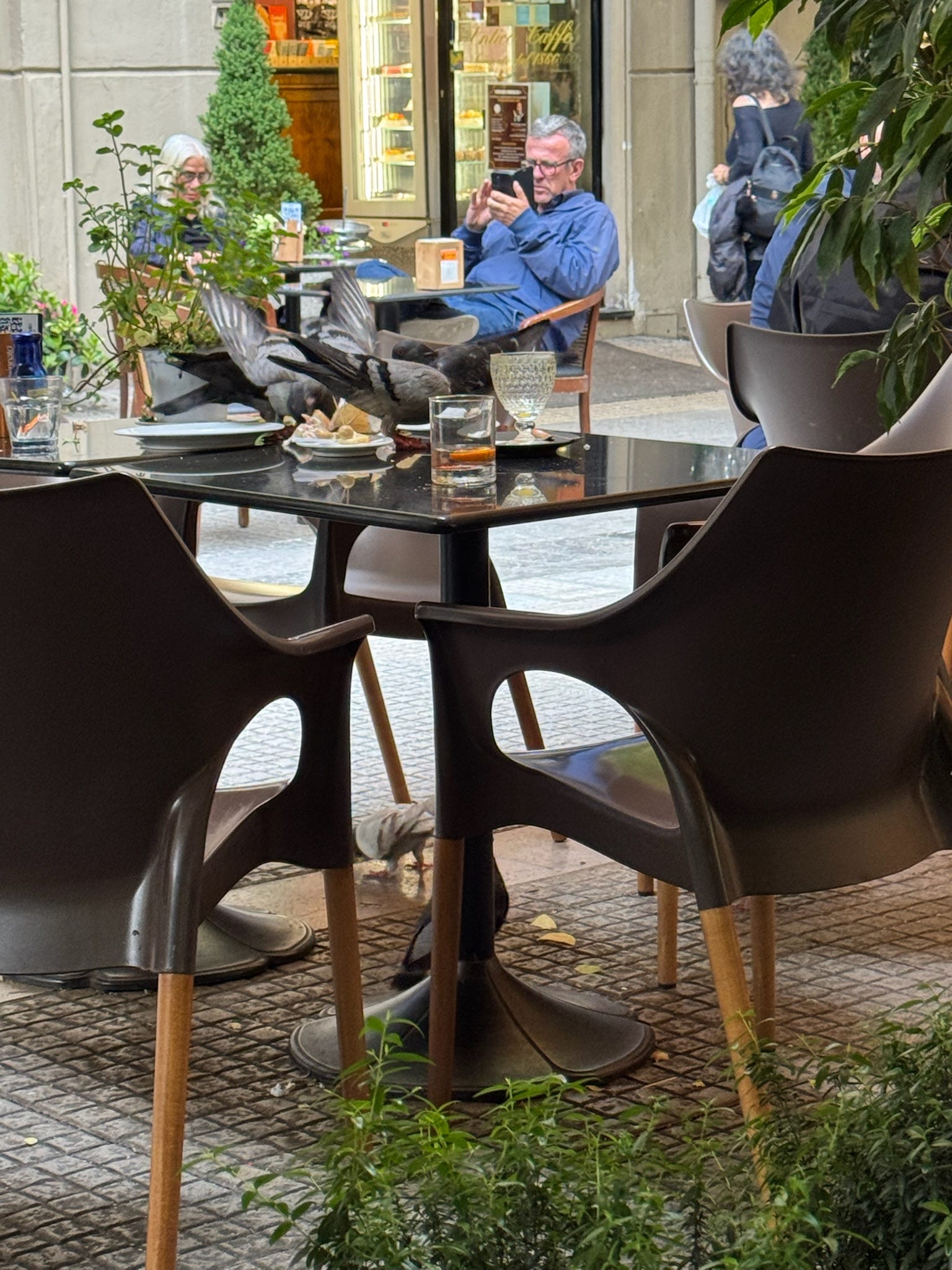
Italy was full of beauty, charm, and surprises. But for a country so alive with history and culture, it was surprisingly quiet when it came to animals. Except, of course, for Clifford—always ready to sneak into our stories, no matter where in the world we go.
Dinner Starts at 7... Maybe
In many parts of Italy, restaurants close after lunch and don’t reopen until around 7:00 p.m. for dinner. This aligns with local dining habits—lunch is often the main meal of the day, and dinner is enjoyed later in the evening, sometimes not until 8:00 or 9:00 p.m. While some restaurants in tourist areas may open a bit earlier, most won’t start serving again until at least 7:00. It’s all part of the slower, more intentional rhythm of life in Italy.
Toilets Without Seats
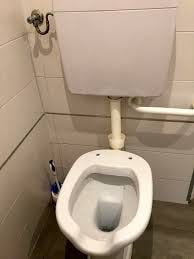
Let’s talk bathrooms. Many public toilets in Italy don’t have toilet seats. That’s right, ladies—you’ll often find yourself squatting over a bare porcelain bowl. And when it comes time to flush—look up! Sometimes way up. You’ll usually find a button high on the wall, and yes, I once had to stand on my tiptoes to reach it. And to add to the charm, most public restrooms charge a fee—typically between 1 and 2 euros—for the privilege.
Traveller’s Tip: Time your bathroom breaks with a stop at a café. Grab a coffee or a gelato, and you’ll usually be able to use the restroom for free. Bonus: café bathrooms are more likely to have toilet seats… but not always. Strange, but true!
The Gypsy Child Who Gave Me the Finger
Every trip has that one story you just can't make up. Mine? A young child—barefoot and bold—gave me the finger in a crowded square. It was shocking… and oddly memorable.
It happened while we were dining outside in Palermo. A woman had been circling our tables, asking for money. Our Travel Director passed her some money and gently asked her to move along. Moments later, she sent her daughter—no more than eight years old—to try again. When I shooed the child away, she looked me straight in the eye and gave me the finger. A moment I won’t forget.
We were told that groups of beggars, often referred to locally as "gypsies," are a common sight in many tourist areas. While it's a complex issue rooted in poverty and marginalization, it's also a reality travelers should be aware of.
Pickpockets
We were frequently warned about pickpockets, especially in crowded public spaces. They’re quick, clever, and skilled at what they do.
Traveler's Tip: Never carry valuables in your pockets. Keep your bag zipped, across your body, and in front of you at all times.
The Tale of Pinocchio
We were promised a story about Pinocchio from our Travel Director. He told us it would come when we passed through the town where the writer had lived. The moment arrived… but I didn’t. I was napping. So for this part of the journey, I’ve had to do a bit of post-trip homework.
Thankfully, my daughter stayed awake and managed to snap a photo of the statue of Pinocchio—our only proof that we were there!
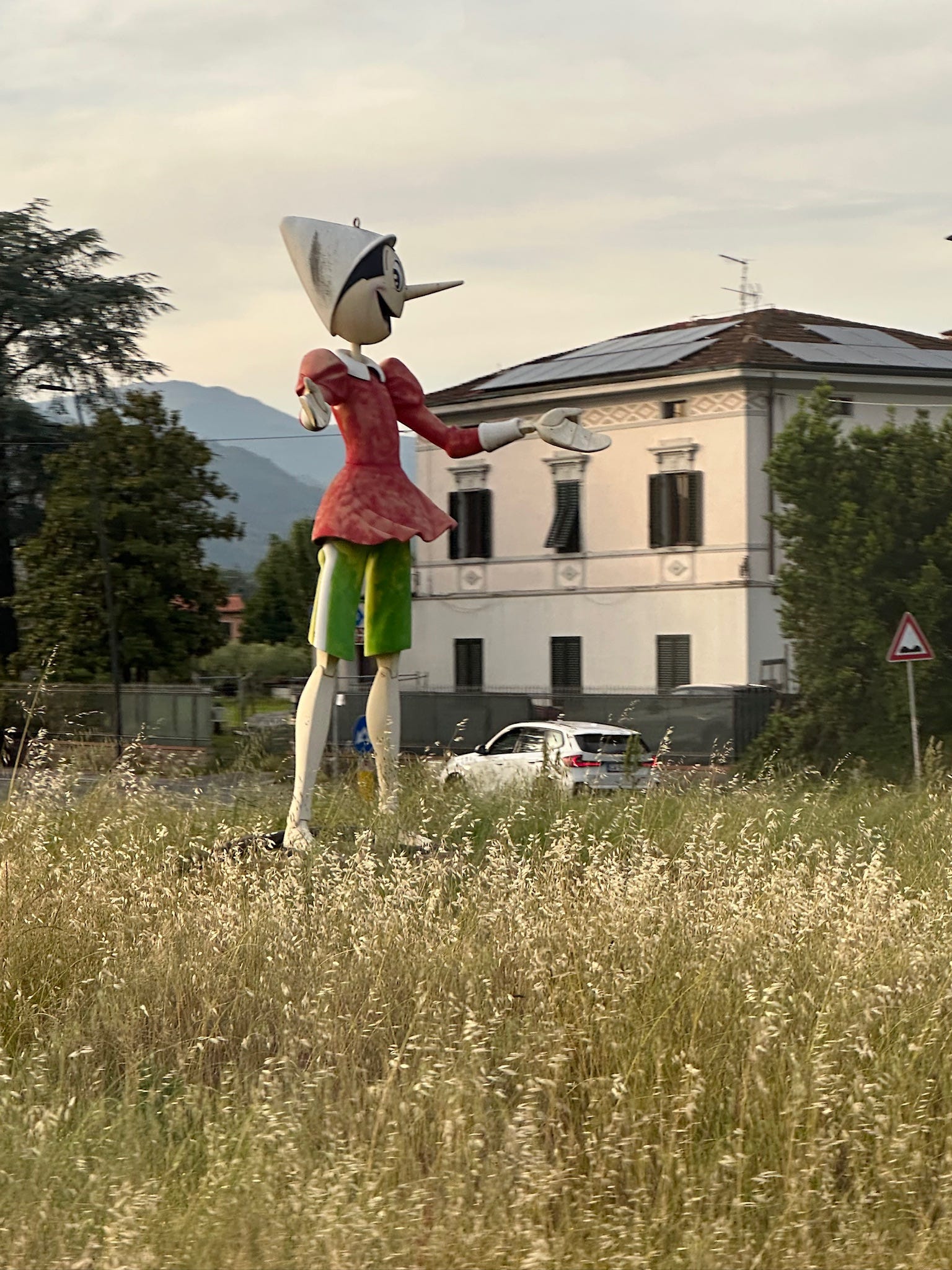
As it turns out, Pinocchio’s origin story is deeply rooted in Tuscany. He was created by Carlo Collodi, a writer from Florence, and his adventures unfold in a quaint Tuscan village where the puppet-maker Geppetto first carved him. First published in 1883, The Adventures of Pinocchio draws heavily on Tuscan dialect and folklore, giving it a uniquely Italian flavor.
Here’s a closer look at the puppet’s Italian roots:
Setting: A Tuscan village, where Geppetto brings Pinocchio to life.
Author: Carlo Collodi (a pen name), born in Florence.
Inspiration: Rich with local dialect and folklore.
Cultural Significance: Pinocchio isn’t just a character—he’s a national treasure, embodying Italy’s storytelling magic.
Parco di Pinocchio: Located in the town of Collodi, this whimsical park celebrates scenes from the story and is a must-visit for literary and fairy tale lovers.
So while I may have missed the live storytelling on the bus, I’ve come to appreciate the charm of this wooden boy—and the reminder that even when we drift off, the stories still find their way back to us.
The Laundry Chronicles
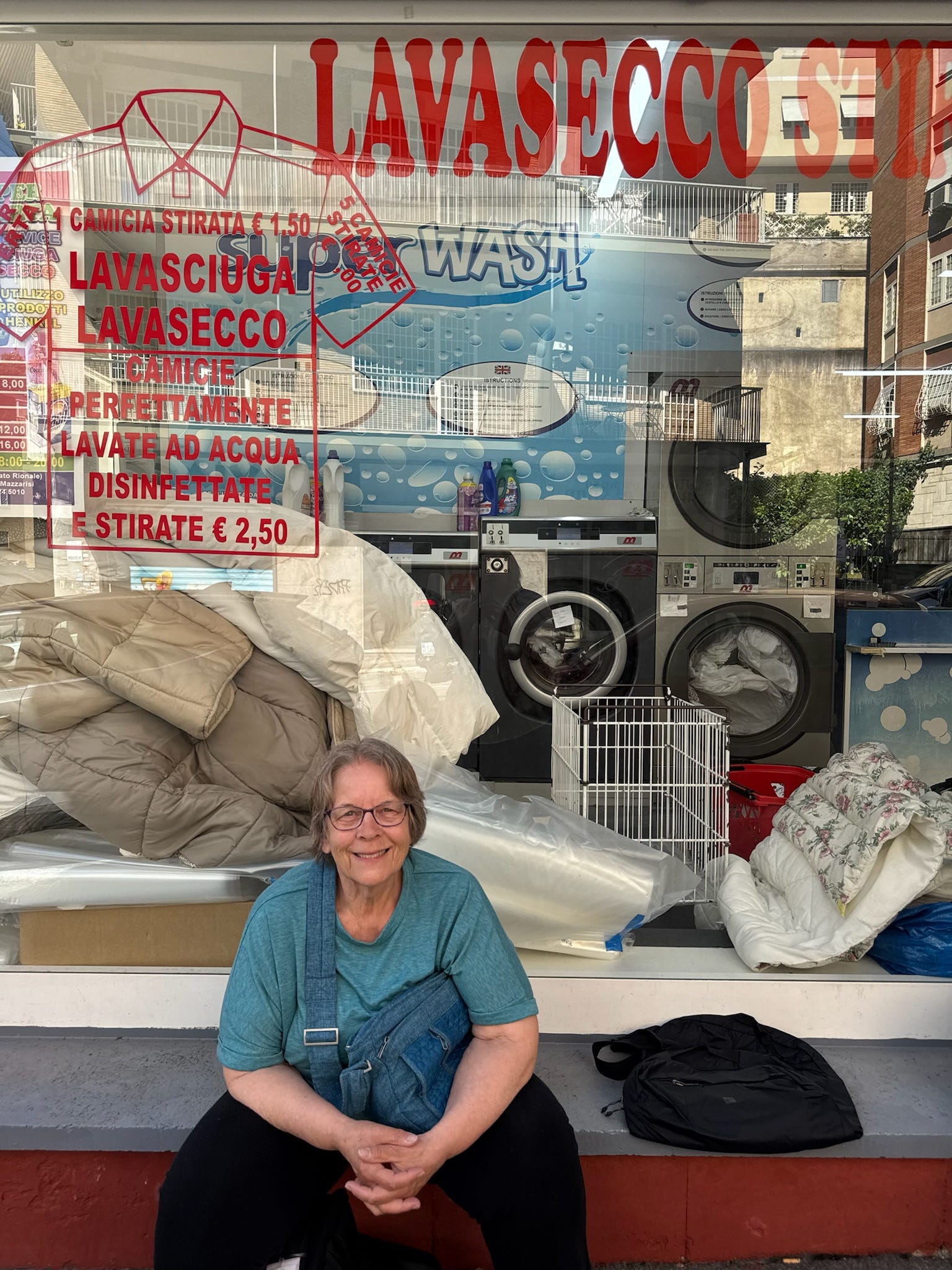
When you travel for a few weeks with just a carry-on, laundry becomes inevitable. We did ours twice—once at a self-serve laundromat that felt familiar, and once at a charming full-service spot that promised wash, dry, and fold.
The second time was definitely more luxurious… in theory.
We dropped off our bags of clothes and were told to return in 2–3 hours. The only hiccup? We had a few items that couldn’t go in the dryer, and we were on a tight schedule. So instead of leaving, we hovered nearby—hopeful that our visible presence might speed things along.
And with our careful (and slightly relentless) supervision, it did.
The gentleman running the place clearly had a system—and we were definitely not part of it. We popped in a few times (okay, several) to check the machines, eventually retrieving a few damp items to dry back at the hotel. When all was finally folded and ready, I’m fairly certain he was relieved to see the hovering Canadians head on their way.
The Case of the Missing Facecloths
One final note before we wrap up: don’t expect to find facecloths in your Italian hotel room. The smallest towel available was what we’d typically call a hand towel—definitely not ideal for washing your face at the end of a long travel day.
And tissues? Also rare. Most hotels didn’t supply them, so if you're someone who likes to have a few on hand (especially during allergy season or with a lingering travel cough), pack your own.
Traveler’s Tip: Prepare a small travel kit with your everyday essentials—facecloths, tissues, maybe even a tiny bar of your favorite soap. You’ll thank yourself later.
Do you have some quirky memories?
Share your favorite quirky travel memories in the comments!

Hope you'll join us at The Kitchen Table on Friday, June 27th. This month at the Kitchen Table, we gather with suitcases full of stories, hearts cracked open by beauty, and maybe even a little sand still in our shoes.
Inspired by the theme “The Art of Returning,” we’ll explore what it means to come home—not just physically, but emotionally and soulfully—after stepping away from our everyday lives. Whether you’ve recently travelled far or simply taken a pause from routine, time away has a way of shifting something inside us. We’ll reflect on how holidays—of any kind—leave us changed, awakened, softened, and somehow a little more ourselves again.
As always, we’ll share gentle conversation, meaningful reflection, and a creative project to anchor our experience.
This month’s creative invitation:
You’ll be guided in creating a simple handmade card inspired by a travel memory—real or imagined. Your card will serve as a soulful keepsake of a time you felt truly alive and present.
Bring your tea, your stories, and watch for a list of supplies you'll require for the creative project. Let’s gather and gently honor the magic of stepping away—and the beauty of what we find when we return.
Hope you can join us!
Arrivederci! I’m taking a few days off and will return next week with more tales on my Italy adventures.

I’ve thoroughly enjoyed the daily adventures through Italy…..your amazing talent for the written word made me feel like I was right there with you. Thank you.
Love your little travel tidbits today. ❤️